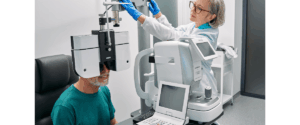

An ENT doctor in JP Nagar can assess problems of the ear, nose, throat and neck, including ear infections, hearing loss, sinusitis, tonsillitis, voice changes and snoring. If symptoms persist, keep returning or interfere with daily life, an ENT consultation is sensible. This guide explains common conditions, warning signs, tests, treatments and how to choose an ENT specialist in JP Nagar.
What Does an ENT Doctor Treat?
An ENT doctor, also called an otolaryngologist, is a medical specialist who diagnoses and treats conditions of the ears, nose, throat and related structures of the head and neck. This covers hearing and balance problems, nasal and sinus disorders, throat and voice conditions, and sleep-related breathing problems such as snoring. Many conditions are managed with medicines or monitoring, and surgery is needed only for some.
You may need an ear, nose and throat doctor in JP Nagar if you notice:
- Ear pain, discharge, a blocked feeling or reduced hearing
- Ringing in the ears or a spinning sensation
- A blocked nose, repeated sneezing, facial pressure or nosebleeds
- A sore throat that keeps returning, voice changes or difficulty swallowing
- Loud snoring with disturbed sleep
Common Ear, Nose and Throat Problems in JP Nagar
Many people searching for Ear, Nose and Throat Problems in JP Nagar: Finding the Right ENT Doctor, Clinic or Surgeon are really asking two questions: what is causing my symptom, and who should I see? The lists below help with the first question. They are general information, not a diagnosis.
Ear Problems
- Ear pain and ear infections: These often follow a cold or water entering the ear and may bring fever, discharge or muffled hearing.
- Earwax blockage: Wax build-up can cause fullness, itching or reduced hearing. Removal is best done by a trained professional, not with buds or sharp objects.
- Hearing loss and reduced hearing: It may develop slowly or suddenly, and causes range from wax and fluid to changes in the inner ear or hearing nerve.
- Ringing in the ears (tinnitus): Ringing or buzzing can accompany hearing loss. Tinnitus in only one ear needs assessment.
- Dizziness and balance difficulties: Inner-ear conditions are one possible cause, though other medical causes exist.
Nose and Sinus Problems
- Persistent nasal congestion: A long-standing blocked nose may relate to allergy, infection, swollen tissues or a structural problem.
- Allergic rhinitis and frequent sneezing: Itching, sneezing and a runny nose are often triggered by dust, pollen or pollution.
- Sinusitis and facial pressure: Pressure around the cheeks or forehead, thick discharge and a reduced sense of smell are typical features.
- Deviated nasal septum: A bent septum can cause one-sided blockage, but not everyone with a deviation needs treatment.
- Recurrent nosebleeds: Occasional minor bleeds are common, whereas frequent or heavy bleeding needs examination.
Throat and Voice Problems
- Sore throat and tonsillitis: Pain, fever and difficulty swallowing may point to viral or bacterial infection, and the cause decides the treatment.
- Hoarseness and voice changes: A hoarse voice lasting more than a few weeks should be examined, particularly in smokers.
- Difficulty swallowing: Food sticking or pain on swallowing should not be ignored.
- Recurrent throat infections: Repeated episodes may need a look at the tonsils, adenoids, allergies and reflux.
- Snoring and sleep-related breathing concerns: Loud snoring with pauses in breathing or daytime sleepiness may suggest sleep apnoea and deserves evaluation.
When Should You Consult an ENT Doctor in JP Nagar?
The right level of urgency depends on the symptom.
Routine consultation. Book an appointment if symptoms last more than a couple of weeks, keep recurring, or affect sleep, work, hearing or eating. Gradual hearing change, repeated tonsillitis, long-standing congestion and persistent hoarseness fall here.
Prompt assessment (within a day or two). Seek review soon for worsening ear pain or discharge, severe sinus pain with fever, facial swelling, severe sore throat with difficulty swallowing, or an ear problem in a young child.
Emergency care. Go to the nearest emergency department without waiting for a routine slot if there is:
- Difficulty breathing or noisy, laboured breathing
- Significant or uncontrolled bleeding from the nose or throat
- Swelling of the lips, tongue, throat or face
- A foreign object lodged in the airway
- Injury to the nose or face with deformity or heavy bleeding
Sudden hearing loss also needs urgent medical assessment, ideally on the same day. This sudden hearing loss guide explains why time matters.
How Does an ENT Specialist Diagnose Ear, Nose and Throat Conditions?
Diagnosis starts with your history and a physical examination. Further tests are chosen only if your symptoms and findings call for them. Common steps include:
- Ear, nose and throat examination: Using an otoscope, headlight or mirror to look at the eardrum, nasal passages and throat.
- Hearing assessment and audiometry: Hearing tests show the type and degree of hearing loss. A hearing deficiency assessment is one example of this evaluation.
- Tympanometry: Measures eardrum movement and middle-ear pressure when fluid or pressure problems are suspected.
- Nasal endoscopy: A thin camera gives a clear view inside the nose and sinus openings. Read more about nasal endoscopy and when it is used.
- Imaging and other investigations: A CT scan, MRI, allergy testing or a sleep study may be advised when clinically necessary.
Not every patient needs every test. A simple earwax problem, for example, may need only an examination.
What Treatments May Be Recommended for ENT Problems?
Treatment depends on the diagnosis, your age, other health conditions and your preferences. Broad categories include:
- Observation and advice: Some problems settle on their own with monitoring and simple measures.
- Medication: Prescribed after examination. Antibiotics help only bacterial infections, so they should not be taken casually.
- Allergy management: Identifying triggers and using a suitable long-term plan for allergic rhinitis.
- Earwax removal: Done by a trained professional with appropriate instruments.
- Hearing rehabilitation: Hearing aids, implantable devices or therapy. A cochlear implant may be considered for selected people with severe to profound hearing loss after careful evaluation. See this overview of cochlear implants.
- Surgery when medically indicated: For example, procedures for the septum, sinuses, tonsils, adenoids or ear. An ENT surgeon in JP Nagar or elsewhere should explain the reasons, alternatives, expected benefits and risks before recommending it.
No ENT symptom should be treated with leftover medicines or unverified home remedies, and no treatment can promise a guaranteed result.
How to Choose an ENT Specialist in JP Nagar
Whether you are comparing a ENT clinic in JP Nagar or one in a neighbouring area, practical checks matter more than advertising. Consider:
- Qualifications and training: Confirm the doctor’s degrees and registration with the relevant medical council.
- Experience with your condition: A person with a hearing problem and one with a sinus problem may need different expertise.
- Diagnostic access: Can hearing tests, nasal endoscopy or imaging referrals be arranged when needed?
- Clear communication: You should understand your diagnosis, options, risks and what happens if you wait.
- Follow-up and referral: Ask how follow-up works and what happens if you need another specialist or hospital care.
- Transparent information: Look for clear consultation details and no pressure toward procedures.
It is reasonable to ask questions or seek a second opinion, especially before surgery.
ENT Consultation for Patients in JP Nagar and Bengaluru
Before booking an ENT consultation in JP Nagar or elsewhere in Bengaluru, note when your symptoms began, what makes them better or worse, and whether they affect one side or both. Gather your medicine list, allergy history and any earlier reports, such as hearing tests or scans.
Patients looking for an ENT doctor near JP Nagar may consider Dr Rohit’s Centre for ENT & Cochlear Implant, which is located in 7th Block, Jayanagar, Bengaluru. It is a Jayanagar clinic and does not have a verified branch in JP Nagar, so check whether the location and services suit you. Confirm the address, appointment timings and travel plan before leaving home, particularly if you are coming from another part of the city. This applies to any ENT specialist in Bengaluru.
Consult Dr. Rohit Udaya Prasad for ENT Assessment
Dr. Rohit Udaya Prasad is listed on the clinic’s website as a Consultant ENT & Cochlear Implant Surgeon. The website states that he completed his MBBS at M.S. Ramaiah Medical College and his MS (ENT) at Pt. Jawahar Lal Memorial Medical College, Raipur, and that he trained further under Padmashri Prof. Dr. J.M. Hans in New Delhi.
Dr Rohit’s Centre for ENT & Cochlear Implant lists services across ear and hearing care, hearing implants, nose, sinus and throat care, head and neck care, sleep and snoring surgery, and paediatric ENT. If you have persistent or recurring symptoms, you can arrange an assessment to understand the cause and your options. Visit the clinic’s contact page for appointment details.
Frequently Asked Questions
1. When should I visit an ENT doctor in JP Nagar?
Consider seeing an ENT doctor in JP Nagar when ear, nose or throat symptoms last more than a couple of weeks, keep returning, worsen, or affect hearing, sleep, eating or work. Sudden hearing loss, breathing difficulty or heavy bleeding needs urgent medical care and should not wait for a routine appointment.
2. What conditions does an ENT specialist treat?
An ENT specialist treats conditions of the ear, nose, throat and related head and neck structures. Examples include ear infections, hearing loss, tinnitus, vertigo, sinusitis, allergic rhinitis, deviated septum, tonsillitis, voice problems and snoring. Care may involve medicines, procedures, hearing rehabilitation or surgery, depending on the diagnosis.
3. How do I choose an ENT clinic near JP Nagar?
Check the doctor’s registered qualifications, experience with your specific condition, and access to relevant tests such as audiometry or nasal endoscopy. Look for clear explanations of options and risks, follow-up arrangements and transparent consultation information. Also confirm the clinic’s actual address, as some options near JP Nagar may be in neighbouring areas.
4. Can an ENT doctor help with recurring ear infections?
Yes. An ENT doctor can examine the ear, look for causes such as fluid behind the eardrum, wax, allergies or eustachian tube problems, and check hearing. Treatment depends on the findings and may include medication, monitoring or, in selected cases, a minor procedure or surgery. Using leftover ear drops without examination is not advisable.
5. When should hearing loss be assessed by an ENT specialist?
Get your hearing assessed if you often ask people to repeat themselves, turn up the television, or notice one ear hearing worse than the other. Sudden hearing loss in one or both ears needs urgent assessment as soon as possible. Children with delayed speech or poor attention should also have their hearing checked.
6. Can sinusitis cause headaches and nasal congestion?
Yes. Sinusitis can cause nasal congestion, facial pressure or pain, thick nasal discharge and a reduced sense of smell, and some people also feel a headache around the forehead or cheeks. However, headaches have many causes, so persistent or severe symptoms should be assessed rather than assumed to be sinus-related.
7. When do tonsillitis and a sore throat need medical attention?
Most sore throats improve within a few days. See a doctor if the pain lasts beyond about a week, recurs often, or comes with high fever, swollen neck glands, white patches or trouble swallowing. Difficulty breathing, drooling or being unable to swallow fluids needs urgent care.
8. Does every ENT problem require surgery?
No. Many ENT conditions are managed with examination, medication, allergy care, wax removal, hearing aids or follow-up. Surgery is considered only when it is medically indicated, for example after other measures have not helped or a structural problem is found. Your specialist should explain alternatives, benefits and risks first.
9. What should I bring to my first ENT consultation?
Bring a short note of your symptoms and when they began, a list of current medicines and allergies, and previous reports such as hearing tests, scans or prescriptions. If you are consulting for a child, carry vaccination and growth records if available. Write down your questions so nothing is missed.
10. Where is Dr Rohit’s Centre for ENT & Cochlear Implant located?
Dr Rohit’s Centre for ENT & Cochlear Implant is located in 7th Block, Jayanagar, Bengaluru, Karnataka. It is not in JP Nagar. Patients travelling from JP Nagar should confirm the current address, appointment timings and available services through the clinic’s contact page or by phone before visiting.
Conclusion and Appointment Information
Ear, nose and throat symptoms are common, and most can be assessed through a routine visit. What matters is noticing patterns: symptoms that persist, recur or worsen deserve professional assessment, while breathing difficulty, sudden hearing loss and heavy bleeding need urgent care. When choosing an ENT doctor in JP Nagar, focus on qualifications, relevant experience, clear communication and follow-up arrangements.
If you have persistent ear, nose or throat symptoms, you can arrange a consultation with Dr. Rohit Udaya Prasad at Dr Rohit’s Centre for ENT & Cochlear Implant, 7th Block, Jayanagar, Bengaluru. The clinic’s website lists +91 9900206167. Readers searching from JP Nagar should verify the clinic address and appointment details before visiting.