Cochlear Implants
A cochlear implant is not simply a hearing aid — it is an electronic medical device that directly stimulates the auditory nerve, enabling individuals with severe to profound sensorineural hearing loss to perceive sound when hearing aids no longer help. At Dr. Rohit’s Centre for ENT & Cochlear Implant in 7th Block, Jayanagar, Bangalore, cochlear implantation is a core specialty. We provide the complete surgical pathway — from pre-surgical audiological evaluation and CT/MRI imaging to the implant procedure itself and post-operative auditory verbal therapy. Both paediatric and adult cochlear implant candidates are assessed with equal care. Early diagnosis and early implantation consistently produce the best speech and language outcomes in children.
Cochlear Implants (CI) are a revolutionary hearing solution designed for individuals with severe to profound hearing loss who do not benefit adequately from conventional hearing aids. Unlike traditional devices that amplify sound, cochlear implants directly stimulate the auditory nerve, allowing patients to perceive sound with greater clarity. This advanced technology has transformed the lives of people with profound hearing impairment, enabling them to communicate and engage with the world around them.
How Cochlear Implants Work
A cochlear implant bypasses damaged portions of the inner ear (cochlea) and directly delivers electrical signals to the auditory nerve. The system consists of two main components:
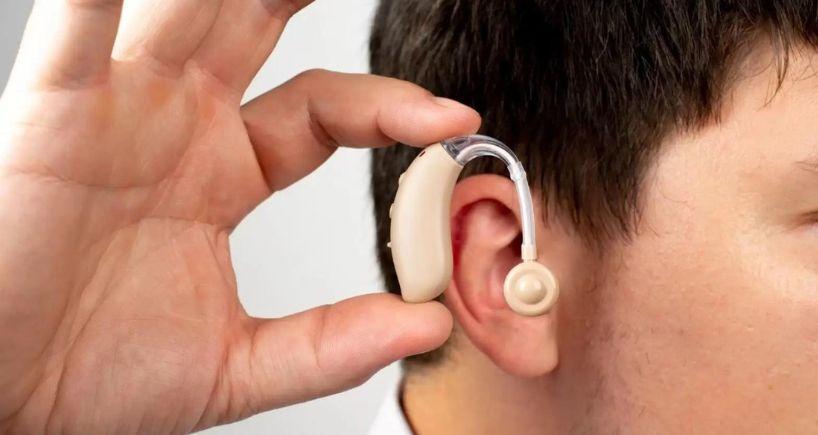
External Sound Processor: Worn behind the ear, it picks up sound signals, processes them, and transmits them to the implant.
Internal Implant: Surgically placed under the skin, it converts these signals into electrical impulses and sends them to electrodes placed inside the cochlea.
The auditory nerve then transmits these impulses to the brain, where they are interpreted as recognizable sounds. While the sound quality may differ from natural hearing, with practice and rehabilitation, patients can achieve remarkable improvements in speech understanding and communication.
Who Can Benefit from Cochlear Implants?
Cochlear implants are suitable for individuals who:
Have severe to profound sensorineural hearing loss in one or both ears.
Struggle to understand speech even with powerful hearing aids.
Lost hearing after acquiring language (post-lingual deafness) or have limited benefit from hearing aids in early childhood (pre-lingual deafness).
Desire improved communication ability in educational, social, and professional settings.
Children as young as 12 months with profound hearing loss may also be candidates, as early implantation can significantly enhance speech and language development.
Advantages of Cochlear Implants
Restores Access to Sound: Provides the ability to perceive a wide range of sounds, from speech to environmental noises.
Improved Speech Understanding: Enables better clarity of speech, especially in noisy environments.
Supports Child Development: Helps children with congenital hearing loss develop language, social, and cognitive skills.
Enhanced Quality of Life: Improves communication, independence, and social interaction for both children and adults.
Bilateral Benefit: When implanted in both ears, it enhances sound localization and listening comfort.
The Procedure and Recovery
The cochlear implant procedure is typically performed under general anesthesia and takes a few hours. A small incision is made behind the ear, and the internal implant is placed. After a healing period of 2–4 weeks, the external sound processor is fitted and activated. Patients undergo aural rehabilitation and auditory training to adapt to the new way of hearing. Recovery is usually smooth, and with consistent use, patients can achieve progressive improvements in their hearing ability.
Why Choose This Treatment?
Cochlear implants are a life-changing solution for individuals with profound hearing loss who cannot rely on conventional aids. By directly stimulating the auditory nerve, they restore access to sound, enabling speech comprehension, language development, and active participation in everyday life. With expert evaluation, skilled surgery, and post-implant rehabilitation, patients can experience significant improvement in hearing outcomes and overall quality of life.