
+(01) 1987 123456
12th street, LA

Reach out to our ENT specialists for expert care in hearing, breathing, and voice-related concerns.
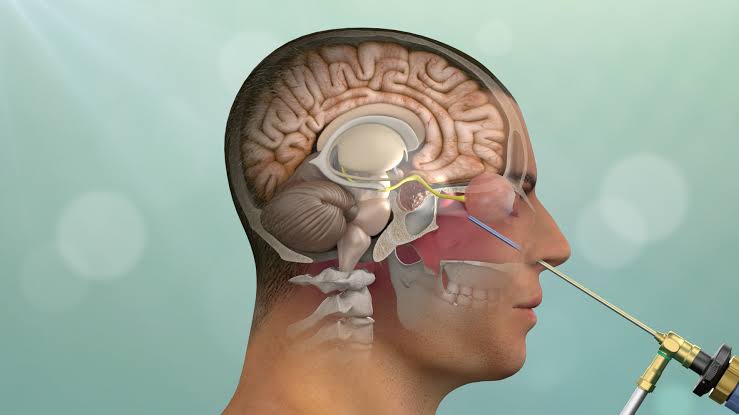
A cerebrospinal fluid (CSF) leak occurs when the fluid that cushions and protects the brain and spinal cord escapes through a tear or hole in the surrounding membranes. In the head and neck region, CSF leaks most commonly occur through the nose (CSF rhinorrhea) or ear (CSF otorrhea). Left untreated, a CSF leak can lead to recurrent infections such as meningitis, persistent headaches, and other serious complications. CSF leak repair surgery provides a safe and effective way to close the defect, restore normal fluid containment, and prevent long-term health risks.
CSF leaks may be caused by:
Trauma: Head injuries or surgical complications.
Spontaneous Leaks: Due to increased intracranial pressure or weak skull base areas.
Congenital Defects: Weakness in the skull base present at birth.
Tumors: Growths eroding into the skull base or ear.
Post-Surgical Complications: After sinus, skull base, or ear surgery.
Common symptoms include:
Clear, watery drainage from the nose or ear.
Persistent headaches that worsen when standing and improve when lying down.
Recurrent meningitis or frequent sinus/ear infections.
Ringing in the ear, hearing changes, or dizziness.
A salty or metallic taste from nasal fluid drainage.
Accurate diagnosis is essential to prevent complications. Specialists may perform:
Physical Examination of nasal or ear discharge.
Laboratory Tests such as beta-2 transferrin to confirm CSF fluid.
Imaging Studies (CT or MRI scans) to identify the exact location of the leak.
Endoscopic Examination for direct visualization of the defect.
Conservative Management: Bed rest, hydration, and medications may help in small leaks.
Endoscopic Endonasal Surgery: A minimally invasive approach using a nasal endoscope to close skull base defects with grafts or flaps.
Microsurgical Repair: Open surgery may be required for larger or complex leaks.
Grafting Techniques: Autologous tissue (fat, fascia, or cartilage) is often used to seal the defect.
This treatment is suitable for:
Patients with persistent or recurrent clear fluid leakage from the nose or ear.
Individuals with repeated meningitis episodes linked to CSF leaks.
Those with trauma, congenital weakness, or surgical complications causing skull base defects.
Patients experiencing headaches, dizziness, or hearing changes due to CSF leaks.
Prevents Infections: Reduces the risk of life-threatening meningitis.
Relieves Symptoms: Stops leakage, headaches, and dizziness.
Minimally Invasive Options: Endoscopic approaches allow quicker recovery.
High Success Rate: Modern surgical techniques ensure durable repair.
Improved Quality of Life: Restores comfort and protects long-term brain and ear health.
CSF leak repair is a vital procedure to address dangerous fluid leaks from the skull base. With advanced imaging, endoscopic technology, and expert surgical care, patients can achieve safe and lasting closure of leaks. Timely repair not only restores normal function but also prevents serious infections and complications, ensuring long-term health and peace of mind.
A cerebrospinal fluid (CSF) leak occurs when fluid surrounding the brain escapes through a defect in the skull base, often presenting as persistent clear nasal discharge, especially when bending forward. Left untreated, it carries a risk of serious infection like meningitis, making prompt diagnosis essential. At Dr Rohit’s Centre for ENT & Cochlear Implant in Jayanagar, Bangalore, CSF leaks are identified using nasal endoscopy and imaging, then repaired using minimally invasive endoscopic endonasal techniques — the same skull-base approach used for pituitary and sinus surgery. Patients across Bangalore trust this precise, image-guided repair for lasting closure and recovery.
The most common sign is clear, watery nasal discharge from one nostril, often worse when bending forward or straining. Other symptoms may include a salty taste, headache, or recurrent meningitis. Persistent clear nasal drainage should be evaluated by an ENT specialist.
Diagnosis usually combines clinical history, nasal endoscopy, and imaging such as CT or MRI. Laboratory testing of the nasal fluid may also be performed to confirm whether it contains cerebrospinal fluid before planning treatment or repair.
Many CSF leaks can be repaired endoscopically through the nose without external incisions. The surgeon uses an endoscope and tissue grafts or other repair materials to seal the skull-base defect. The exact approach depends on the location, size, and cause of the leak.
An untreated CSF leak can increase the risk of infections such as meningitis because it may create a pathway for bacteria to reach the tissues surrounding the brain. Persistent or suspected CSF leaks therefore require timely medical evaluation.
A CSF leak may cause clear, watery fluid to drip from one nostril, particularly when bending forward, coughing, or straining. Some people notice a salty or metallic taste at the back of the throat. Unlike a typical cold, the drainage may remain one-sided and persistent.
Some small CSF leaks may close with conservative management, depending on their cause and severity. Persistent, recurrent, or high-flow leaks may require surgical repair because an ongoing connection between the nasal cavity and the skull base can increase the risk of infection.
Endoscopic endonasal CSF leak repair generally has a high success rate, with many patients achieving closure after a single procedure. Outcomes depend on accurately identifying the leak location, its size, the underlying cause, and the repair technique used.
Yes, many CSF leaks can be repaired through the nose using an endoscopic endonasal approach. A thin endoscope and specialised instruments are used to reach and seal the skull-base defect without an external incision. The appropriate approach depends on the location and characteristics of the leak.