
+(01) 1987 123456
12th street, LA

Reach out to our ENT specialists for expert care in hearing, breathing, and voice-related concerns.
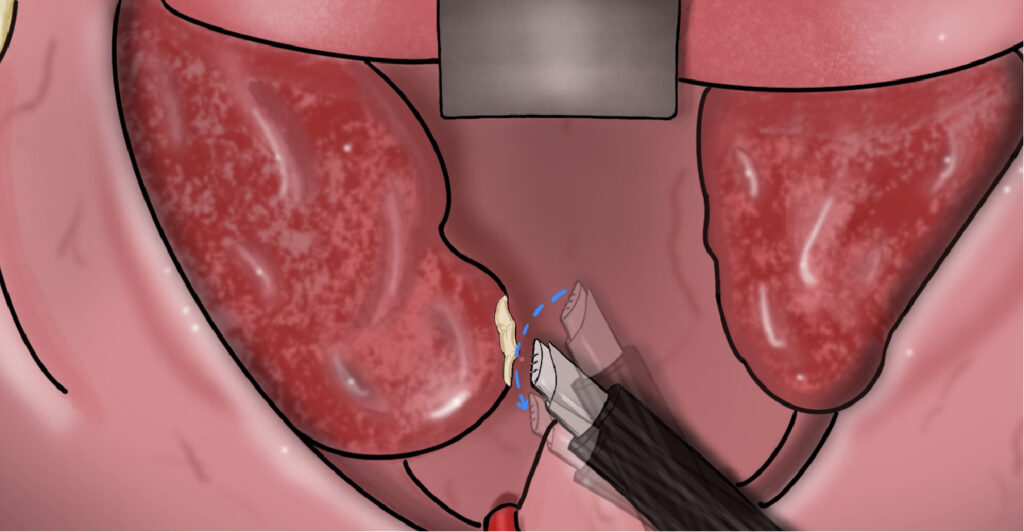
Coblation tonsillectomy is an advanced surgical technique used to remove the tonsils—two lymphoid tissues located at the back of the throat—when they become chronically infected, enlarged, or obstructive. Unlike traditional methods that use heat or cutting, coblation technology uses radiofrequency energy combined with saline to dissolve tissue at low temperatures. This results in less pain, reduced bleeding, and quicker recovery, making it a preferred option for both children and adults.
Tonsillectomy may be recommended for patients with:
Recurrent Tonsillitis: Multiple throat infections within a year.
Obstructive Sleep Apnea: Enlarged tonsils causing snoring, breathing pauses, or restless sleep.
Difficulty Swallowing due to enlarged tonsils.
Peritonsillar Abscesses: Repeated abscesses around the tonsils.
Chronic Sore Throat or Bad Breath from persistent tonsil infections.
Tonsil Stones (Tonsilloliths) causing discomfort and odor.
During the procedure:
The patient is placed under general anesthesia.
A coblation probe is used to gently remove tonsil tissue at low temperatures.
The technique preserves surrounding healthy tissue, minimizes bleeding, and reduces thermal injury.
The procedure usually takes 30–45 minutes and is often performed on an outpatient basis, allowing patients to return home the same day.
This surgery is suitable for:
Children with frequent throat infections or sleep apnea due to enlarged tonsils.
Adults with chronic tonsillitis or obstructive symptoms.
Patients who want a less painful, faster recovery compared to traditional surgery.
Individuals with tonsil-related complications that impact daily life and overall health.
Less Painful Recovery: Low-temperature technique causes less tissue damage.
Minimal Bleeding: Coblation seals blood vessels while removing tissue.
Faster Healing: Patients resume normal activities sooner than with traditional tonsillectomy.
Reduced Risk of Complications: Lower chances of infection and thermal damage.
Improved Quality of Life: Better breathing, fewer infections, and restful sleep.
Most patients are discharged the same day after coblation tonsillectomy. Recovery involves mild throat discomfort, which is significantly less than with traditional tonsillectomy. Patients are advised to drink plenty of fluids, eat soft foods, and avoid strenuous activity for a week. Most children return to school and adults to work within 7–10 days. Regular follow-up ensures smooth healing and long-term benefits.
Coblation tonsillectomy is a safe, modern, and effective solution for patients suffering from chronic tonsil problems or obstructive symptoms. With less pain, faster recovery, and excellent long-term outcomes, it is increasingly preferred over conventional surgical methods. Choosing coblation tonsillectomy ensures reliable relief, improved breathing and sleep, and enhanced overall health and well-being.
Dr. Rohit’s Centre for ENT & Cochlear Implant offers pediatric coblation tonsillectomy in Jayanagar, Bangalore for children with recurrent tonsillitis, enlarged tonsils and tonsil-related breathing or swallowing problems. Families in Jayanagar and nearby South Bangalore areas can consult an ENT specialist to assess whether tonsil surgery is appropriate for their child.
Coblation tonsillectomy is a surgical technique used to remove the tonsils using controlled radiofrequency energy and saline. It is performed under general anesthesia when tonsils are causing significant problems such as recurrent infections, obstruction or sleep-related breathing difficulties. The ENT surgeon determines whether this approach is suitable after examining the patient.
Tonsillectomy may be considered when a child has recurrent tonsillitis, significantly enlarged tonsils causing obstruction, sleep-related breathing problems or other tonsil-related complications. Not every child with large tonsils requires surgery. The frequency, severity and impact of symptoms are assessed before recommending tonsil removal.
Enlarged tonsils can contribute to narrowing of the upper airway during sleep. Children may snore, breathe through the mouth, sleep restlessly or experience breathing interruptions. Persistent snoring or suspected sleep-disordered breathing should be discussed with a pediatric ENT specialist for appropriate assessment and treatment planning.
Some throat discomfort is expected after tonsil surgery, and the level varies between children. Pain management, adequate hydration and appropriate food choices are important during recovery. Parents should follow the surgeon’s postoperative instructions and seek medical advice if the child develops concerning symptoms during recovery.
Recovery differs from child to child. Throat discomfort and dietary restrictions can occur during the initial recovery period. Children should maintain adequate fluids and follow their surgeon’s advice about food, medicines and physical activity. A follow-up may be advised to assess healing and recovery.
For children with appropriately diagnosed recurrent tonsillitis, tonsillectomy may reduce future tonsil-related infections. However, surgery is not automatically required for every episode of sore throat. An ENT specialist reviews the child's infection history and overall symptoms before determining whether tonsillectomy is appropriate.