
+(01) 1987 123456
12th street, LA
Reach out to our ENT specialists for expert care in hearing, breathing, and voice-related concerns.
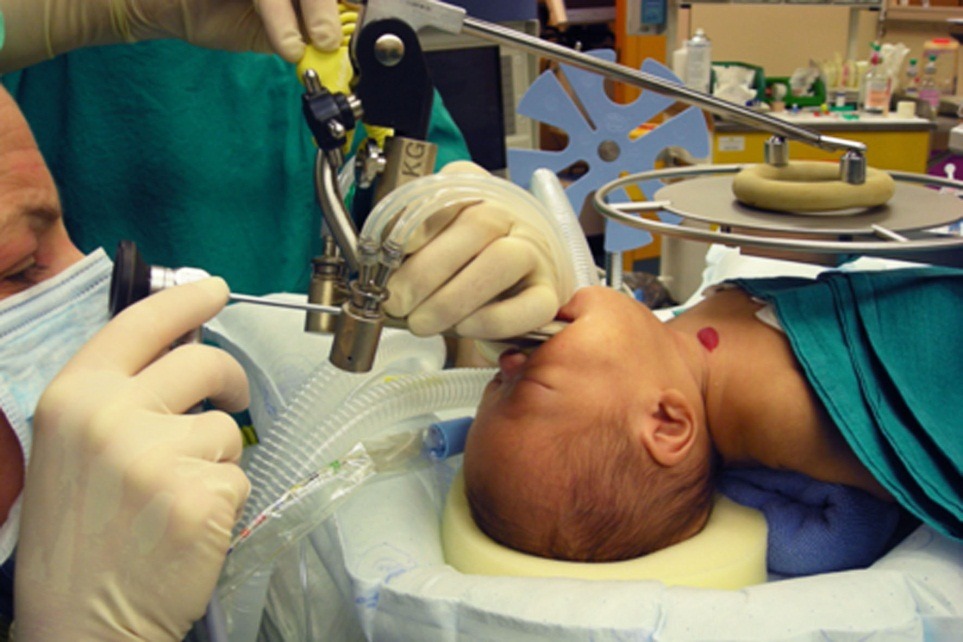
Microscopic voice surgery is a highly specialized procedure performed to treat structural abnormalities of the vocal cords that affect voice quality, clarity, and strength. Using an operating microscope and fine surgical instruments, ENT surgeons can precisely remove lesions or correct irregularities on the vocal folds without damaging surrounding healthy tissue. This surgery is especially valuable for patients whose careers or daily lives depend on a healthy, clear voice.
This procedure is recommended for patients with:
Vocal Cord Nodules: Callus-like growths caused by overuse.
Vocal Cord Polyps: Soft swellings often linked to strain or irritation.
Vocal Cord Cysts: Fluid-filled sacs interfering with vibration.
Reinke’s Edema: Swelling of vocal folds due to smoking or irritation.
Leukoplakia or Precancerous Lesions: White patches requiring removal for diagnosis and treatment.
Benign or Early Malignant Growths: Where precise excision is needed.
The procedure is performed under general anesthesia. A laryngoscope is gently inserted through the mouth to provide access to the vocal folds. Using an operating microscope, the surgeon views the vocal cords at high magnification and removes lesions with microlaryngeal instruments or lasers. The technique ensures maximum preservation of delicate vocal cord tissue, which is critical for restoring normal vibration and voice quality.
This surgery is suitable for:
Singers, teachers, actors, and professionals relying heavily on their voice.
Patients with persistent hoarseness or voice changes lasting more than 2–3 weeks.
Individuals with benign lesions not responding to voice therapy.
Patients with suspected precancerous or malignant lesions requiring biopsy or removal.
Precision Treatment: Targets only diseased tissue while protecting healthy areas.
Restores Voice Quality: Improves clarity, pitch, and vocal strength.
Minimally Invasive: Performed through the mouth, with no external cuts.
Quick Recovery: Most patients notice voice improvement within weeks.
Diagnostic Value: Allows biopsy of suspicious lesions for accurate diagnosis.
Enhanced Quality of Life: Relieves strain and restores confidence in speaking or performing.
Microscopic voice surgery usually takes 30–90 minutes, depending on the condition. Most patients go home the same day. After surgery, strict voice rest is advised for a few days, followed by gradual use under the guidance of a speech therapist. Swelling and mild throat discomfort are common but temporary. Full recovery of voice may take several weeks, depending on the patient’s healing and adherence to therapy.
Microscopic voice surgery offers a safe and effective solution for patients with structural vocal cord problems. By combining precision microsurgical techniques with rehabilitation, it restores healthy voice function and prevents long-term damage. For anyone struggling with persistent hoarseness, vocal fatigue, or professional voice issues, this procedure provides lasting relief, improved performance, and renewed confidence.
Persistent hoarseness lasting more than two to three weeks is never something to ignore, especially for singers, teachers, and anyone whose career depends on a clear voice. Microscopic voice surgery, also called microlaryngeal surgery, uses an operating microscope and fine instruments to remove vocal cord nodules, polyps, cysts, or precancerous lesions with millimeter precision. At Dr Rohit’s Centre for ENT & Cochlear Implant in Jayanagar, Bangalore, this minimally invasive, through-the-mouth technique protects healthy vocal fold tissue while restoring vibration and voice quality, helping patients across South Bangalore recover their natural voice safely and predictably.
Patients with structural lesions such as nodules, polyps, cysts, or Reinke's edema that have not improved with voice therapy may need surgery. Surgery may also be recommended when a suspected precancerous growth requires a biopsy.
Microscopic voice surgery is performed through the mouth without external incisions. The procedure typically takes around 30–90 minutes under general anesthesia, and many patients can return home the same day, depending on their condition and the surgeon's recommendation.
Strict voice rest is usually advised for the first few days after surgery. Voice use is then gradually reintroduced under medical or speech therapy guidance over the following weeks to support proper healing and voice recovery.
The goal of microscopic voice surgery is to restore and preserve the natural voice by removing only the diseased or abnormal tissue. Most patients experience clearer and stronger voice quality after healing and appropriate voice therapy.
If hoarseness or a persistent voice change lasts for more than two to three weeks, does not improve with rest or voice therapy, or is accompanied by pain or breathing difficulty, an ENT evaluation is recommended to determine whether a structural vocal cord problem requires surgery.
Microlaryngeal surgery is a precise, minimally invasive procedure that uses an operating microscope and a laryngoscope inserted through the mouth to remove vocal cord growths such as nodules, polyps, or cysts without external cuts on the neck or throat.
Many patients go home the same day and require several days of complete voice rest. This is followed by weeks of gradual, guided voice use and, when recommended, speech therapy. Full vocal recovery depends on the type of lesion treated and the individual's healing process.
Yes. Microscopic voice surgery is designed to preserve healthy vocal cord tissue while removing only the affected area. This tissue-preserving approach is particularly important for singers, actors, teachers, and other professional voice users.