+(01) 1987 123456
12th street, LA
Reach out to our ENT specialists for expert care in hearing, breathing, and voice-related concerns.
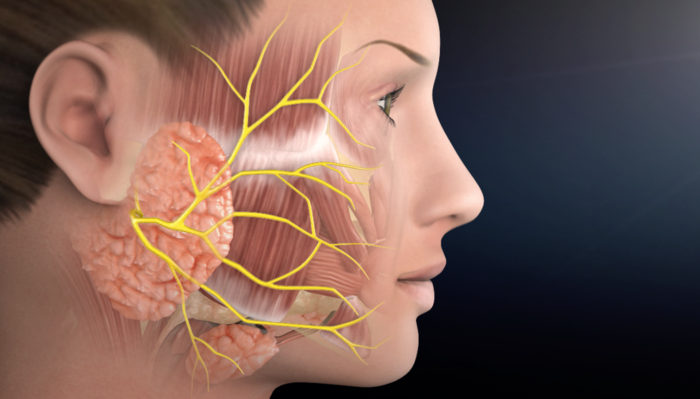
Parotidectomy is a surgical procedure performed to remove part or all of the parotid gland, the largest salivary gland located in front of and just below the ear. This surgery is most commonly required for tumors, both benign and malignant, but may also be performed for chronic infections, stones, or other disorders affecting the gland. Because the parotid gland lies close to the facial nerve, which controls facial movement, parotidectomy requires high surgical expertise to ensure safe and effective outcomes.
Parotidectomy may be recommended for patients with:
Benign Tumors: Such as pleomorphic adenomas or Warthin’s tumors.
Malignant Tumors: Including salivary gland cancers that require removal.
Chronic Infections: Recurrent or persistent infections of the gland.
Salivary Stones: Large or deep stones that block saliva flow and cause swelling.
Cysts or Abscesses: Requiring surgical intervention for relief and prevention of recurrence.
The extent of surgery depends on the condition and tumor location:
Superficial Parotidectomy: Removal of the outer portion of the gland while preserving the facial nerve.
Total Parotidectomy: Removal of the entire gland, usually for malignant or extensive disease.
Selective/Partial Parotidectomy: Removal of only the affected portion, when safe and feasible.
This surgery is suitable for:
Patients with a diagnosed tumor in the parotid gland.
Individuals with recurrent painful swelling due to salivary stones or infections.
Those at risk of cancer spread or complications if untreated.
Patients requiring definitive treatment after unsuccessful conservative management.
Effective Tumor Removal: Safely eliminates benign and malignant growths.
Symptom Relief: Reduces swelling, pain, and recurrent infections.
Prevents Complications: Stops tumor progression and spread of malignancy.
Improves Quality of Life: Restores comfort in speaking, eating, and overall well-being.
Specialized Care: Performed with precision to preserve the facial nerve and surrounding structures.
Parotidectomy is performed under general anesthesia and usually takes 2–4 hours. A carefully placed incision is made near the ear and jawline to access the gland. Advanced microsurgical techniques are used to protect the facial nerve while removing the diseased tissue. Most patients stay in the hospital for 1–2 days, with recovery taking a few weeks. Post-surgery, there may be temporary swelling, numbness, or mild weakness in facial movement, which usually improves with healing. Regular follow-ups are essential to monitor recovery and long-term outcomes.
Parotidectomy is a safe and effective solution for conditions affecting the parotid gland. With modern surgical expertise, high success rates, and careful preservation of facial nerve function, patients can achieve lasting relief from tumors, infections, or obstructions. Choosing specialized surgical care ensures optimal outcomes, restored comfort, and improved quality of life.
Parotidectomy in Jayanagar, Bangalore is a specialized procedure used to remove part or all of the parotid gland when clinically indicated. The parotid gland is located in front of and below the ear and is closely associated with the facial nerve. Dr Rohit’s Centre for ENT & Cochlear Implant provides specialist assessment and surgical planning for parotid gland tumors and other selected parotid conditions.
Parotidectomy is a surgical procedure to remove part or all of the parotid gland. It may be recommended for certain benign or malignant tumors and selected cases of recurrent infection, stones or other gland disorders. The extent of surgery depends on the location, size and nature of the condition.
Parotidectomy is commonly performed for tumors affecting the parotid gland. Surgery may also be considered in selected patients with recurrent infections, stones, cysts or other persistent problems. Before recommending surgery, the ENT surgeon evaluates the swelling, imaging findings and other diagnostic information to determine the most appropriate treatment.
The facial nerve passes through the parotid gland and controls facial movements, making nerve preservation an important consideration during surgery. The surgical approach is carefully planned according to the disease and its relationship to surrounding structures. Your surgeon can discuss the specific risks and expected recovery during consultation.
Depending on the condition, surgery may involve superficial, partial or total parotidectomy. The appropriate procedure depends on the location and extent of the disease. Your ENT surgeon will determine the surgical approach after reviewing examination findings, imaging and other relevant diagnostic information.
A persistent lump or swelling near the cheek, jaw or area in front of the ear should be evaluated, particularly if it is increasing in size, painful or associated with other symptoms. Early specialist assessment helps identify whether the swelling is related to the parotid gland and whether further tests are needed.