
+(01) 1987 123456
12th street, LA

Reach out to our ENT specialists for expert care in hearing, breathing, and voice-related concerns.
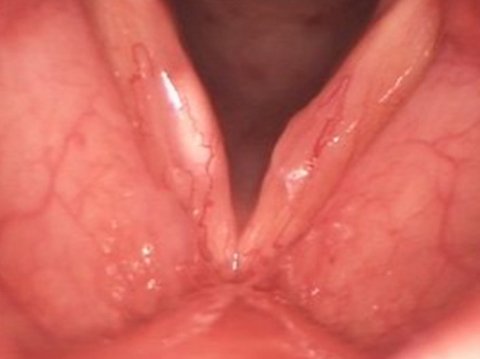
Cysts and nodules of the vocal folds are common voice disorders that affect the quality, strength, and clarity of speech. Vocal fold nodules are small, benign, callus-like growths caused by vocal strain, while vocal fold cysts are fluid-filled sacs that develop within the vocal cords. Both conditions interfere with normal vibration of the vocal folds, leading to hoarseness, voice fatigue, and difficulty speaking. Early diagnosis and treatment are essential to restore healthy voice function.
These conditions often develop due to:
Vocal Overuse or Misuse: Excessive speaking, shouting, or singing.
Chronic Irritation: From smoking, allergies, or acid reflux.
Vocal Trauma: Sudden strain on the vocal cords.
Congenital Factors: Some cysts may be present from birth.
Patients may experience:
Persistent hoarseness or raspy voice.
Reduced vocal range or difficulty hitting high notes.
Voice fatigue after speaking for a short time.
Breathiness or strained voice.
A sensation of something stuck in the throat.
ENT specialists use several tools to diagnose these conditions:
Laryngoscopy: A scope to view the vocal cords directly.
Stroboscopy: A specialized test to assess vocal fold vibration.
Voice Assessment: Evaluating voice quality and strength.
Treatment depends on the type, size, and severity of the lesion:
Voice Therapy: The first-line treatment, involving sessions with a speech therapist to improve vocal habits and reduce strain.
Medications: To treat underlying reflux, allergies, or infections that contribute to irritation.
Surgical Removal: Required for persistent or large cysts that do not respond to conservative therapy. Microsurgery ensures precise removal while preserving vocal cord tissue.
Lifestyle Modifications: Hydration, avoiding smoking, and proper vocal techniques to prevent recurrence.
Treatment is beneficial for:
Teachers, singers, call center employees, and professionals who use their voice extensively.
Individuals with persistent hoarseness lasting more than 2–3 weeks.
Patients with recurring voice fatigue or loss of vocal range.
Children or adults with voice changes due to overuse or congenital lesions.
Restores Voice Quality: Improves clarity, tone, and strength.
Prevents Chronic Problems: Stops worsening of lesions and long-term damage.
Enhances Professional Performance: Critical for voice-dependent careers.
Boosts Confidence: Relieves strain and improves daily communication.
Personalized Approach: Combination of therapy and surgery tailored to patient needs.
Cysts and nodules of the vocal fold can significantly affect communication, career, and quality of life. With expert diagnosis, advanced voice therapy, and precise microsurgical options, patients can regain a healthy, strong, and natural voice. Timely treatment ensures better outcomes, prevents recurrence, and restores confidence in speaking and professional performance.
Vocal cord nodules and cysts are among the most common causes of persistent hoarseness, especially in teachers, singers, and anyone who uses their voice heavily. Nodules are callus-like growths from vocal strain, while cysts are fluid-filled sacs that can be present from birth or develop over time — both disrupt normal vocal cord vibration. At Dr Rohit’s Centre for ENT & Cochlear Implant in Jayanagar, Bangalore, our specialists diagnose these conditions through laryngoscopy and stroboscopy, then guide patients through voice therapy or precise microsurgical removal, restoring clear, confident speech for both daily life and professional performance.
Vocal cord nodules are callus-like thickenings that usually develop due to vocal overuse and commonly appear as matching lesions on both vocal cords. Vocal cord cysts are fluid- or solid-filled sacs that typically occur on one cord and are less likely to resolve with voice rest alone.
Yes. Many vocal cord nodules improve significantly with voice therapy, vocal hygiene, and voice rest, especially when diagnosed early. Surgery is generally recommended only for persistent or large nodules that do not respond to conservative treatment.
Most patients notice improvement within 6–12 weeks of consistent voice therapy. Recovery depends on the size of the nodules, vocal habits, and how closely the therapy program is followed.
Vocal cord cysts are usually benign, but they tend to respond less effectively to voice therapy alone and are more likely to require microsurgical removal than vocal cord nodules.
Vocal cord nodules are most commonly caused by vocal overuse or misuse, such as excessive talking, shouting, or singing. Chronic irritation from smoking, allergies, or acid reflux can also contribute. They are especially common in teachers, singers, and call centre professionals.
Not always. Treatment usually begins with voice therapy to reduce strain. However, persistent or larger cysts that do not improve with conservative treatment often require microsurgical removal to restore normal voice quality.
Doctors diagnose vocal cord nodules using laryngoscopy, where a thin scope is passed through the nose or mouth to examine the vocal cords. Stroboscopy may also be used to assess vocal cord vibration and accurately identify nodules, cysts, or other structural abnormalities.
Yes. Children who frequently shout, yell, or strain their voice can develop vocal cord nodules, often presenting with persistent hoarseness. Treatment usually starts with voice therapy and behaviour modification, with surgery considered only in uncommon cases.