+(01) 1987 123456
12th street, LA
Reach out to our ENT specialists for expert care in hearing, breathing, and voice-related concerns.
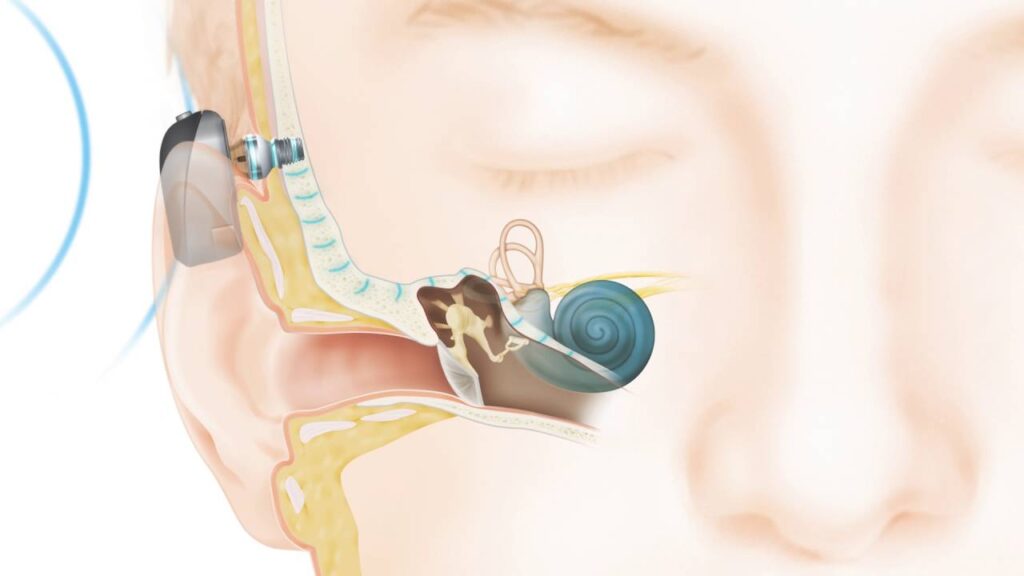
Bone conduction implants (BCI) are advanced hearing solutions designed for individuals who cannot fully benefit from conventional hearing aids. Unlike traditional devices that amplify sound through the ear canal, bone conduction implants transmit sound vibrations directly through the skull bone to the inner ear (cochlea). By bypassing the damaged outer or middle ear, they allow patients to experience clear and natural sound.
Bone conduction technology uses the natural ability of bones to carry sound waves. A small implant is surgically placed in the bone behind the ear, which connects with an external sound processor. The processor captures sound, converts it into vibrations, and transmits these vibrations directly to the inner ear. Since the outer and middle ear are bypassed, patients with specific ear conditions can hear effectively without relying on the ear canal.
Bone conduction implants are suitable for patients who:
Have conductive or mixed hearing loss due to outer or middle ear damage.
Experience single-sided deafness (SSD) and need sound transmitted from the non-hearing ear to the functional one.
Suffer from chronic ear infections or ear canal problems that prevent use of regular hearing aids.
Have congenital conditions such as microtia or atresia where the ear canal is absent or malformed.
Clear Sound Quality: Provides direct transmission of sound with minimal distortion.
Bypasses Blockages: Useful for patients with damaged or non-functional ear canals.
Comfortable to Use: Eliminates discomfort associated with hearing aids worn in or around the ear canal.
Better Sound Localization: Assists patients with single-sided hearing loss in regaining directional awareness of sound.
Long-Term Relief: Offers reliable, stable hearing for patients with chronic conditions.
The implant procedure is minimally invasive and performed under local or general anesthesia. A small titanium implant is placed behind the ear and integrates with the bone through a process called osseointegration. Once healing is complete, the external sound processor is attached. Patients usually experience immediate improvement in hearing once the device is activated. Recovery is generally quick, with follow-up visits ensuring optimal adjustment and performance.
Bone conduction implants are a life-changing solution for patients with structural or medical ear problems that prevent conventional hearing aid use. By transmitting sound directly to the cochlea, they restore hearing clarity, improve comfort, and provide long-term effectiveness. With skilled surgical care, proper evaluation, and advanced technology, patients can enjoy significant improvements in hearing ability, communication, and overall quality of life.
Not all hearing loss is suited to a conventional hearing aid or a cochlear implant — some patients have conditions like chronic ear infections, congenital ear canal problems, or single-sided deafness where sound needs an alternate route to the inner ear. Bone conduction implants solve this by transmitting sound vibrations directly through the skull bone to the functioning cochlea, bypassing the outer and middle ear entirely. At Dr Rohit’s Centre for ENT & Cochlear Implant in Jayanagar, Bangalore, we assess whether a bone conduction implant is the right fit through detailed hearing and imaging evaluation, helping patients across Bangalore hear more clearly again.
Bone conduction implants are commonly recommended for people with chronic outer or middle ear conditions, congenital absence of the ear canal (aural atresia), conductive or mixed hearing loss, or single-sided deafness where conventional hearing aids provide limited benefit.
A bone conduction implant transmits sound as gentle vibrations through the skull bone directly to the inner ear (cochlea), bypassing the outer ear canal and middle ear. This allows sound to reach a healthy inner ear even when the outer hearing pathway is blocked or damaged.
The procedure is generally less extensive than cochlear implant surgery and is performed under anesthesia. Most patients experience a relatively short recovery period, and your ENT surgeon will explain the surgical technique, expected recovery, and follow-up care based on your individual condition.
Yes. Children with congenital ear conditions such as aural atresia may benefit from bone conduction hearing devices. Very young children often begin with a non-surgical bone conduction device worn on a soft headband before becoming eligible for an implant when appropriate.
A bone conduction hearing implant is a hearing device that sends sound vibrations through the skull bone directly to the inner ear, bypassing the outer and middle ear. It is mainly used for hearing loss caused by problems in these parts of the ear rather than the inner ear itself.
Yes. Bone conduction implants are an established treatment option for single-sided deafness. They capture sound from the affected side and transmit it through the skull bone to the functioning inner ear, improving awareness of sounds from both sides.
No. A cochlear implant directly stimulates the hearing nerve for people with severe inner ear hearing loss, whereas a bone conduction implant sends sound vibrations through the skull to a healthy inner ear, making it suitable for conductive or mixed hearing loss and certain other conditions.
Bone conduction implants are a well-established and effective hearing solution for appropriately selected candidates. Success depends on the type of hearing loss, overall ear health, and a thorough evaluation by an ENT specialist before surgery.