+(01) 1987 123456
12th street, LA
Reach out to our ENT specialists for expert care in hearing, breathing, and voice-related concerns.
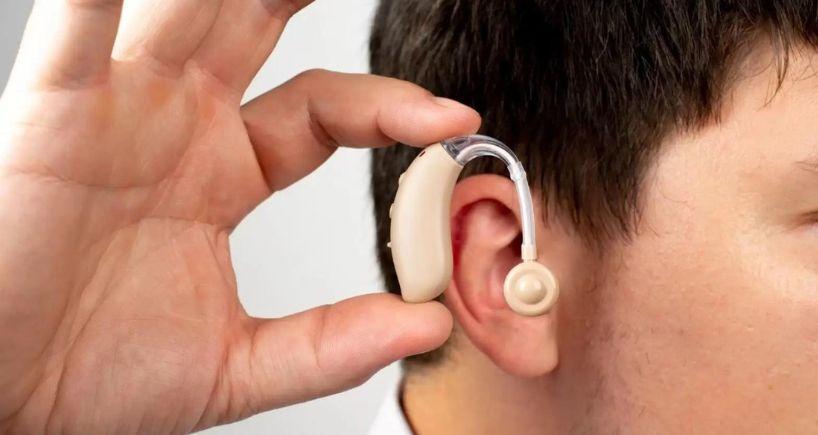
Cochlear implants are advanced medical devices designed to help individuals with severe to profound hearing loss who cannot benefit adequately from traditional hearing aids. Unlike hearing aids, which amplify sound, cochlear implants bypass damaged parts of the ear and directly stimulate the auditory nerve. This allows patients to perceive sound and significantly improve communication, social interaction, and quality of life.
A cochlear implant has two main components:
External Sound Processor: Worn behind the ear, it captures sound signals, processes them, and transmits them to the internal implant.
Internal Implant: Surgically placed under the skin, it converts signals into electrical impulses and sends them to electrodes inserted in the cochlea.
These electrical impulses stimulate the auditory nerve, which carries signals to the brain where they are interpreted as sound. While the sound quality may differ from natural hearing, with training and rehabilitation, most patients adapt and experience remarkable improvements in hearing and speech understanding.
Cochlear implants are suitable for:
Adults and children with severe to profound sensorineural hearing loss.
Individuals who gain limited benefit from hearing aids.
Children with congenital hearing loss that affects speech and language development.
Adults who lost hearing after acquiring speech and wish to restore communication ability.
Early implantation in children can provide the best outcomes for speech, language, and cognitive development.
Restores Access to Sound: Allows patients to hear speech, music, and environmental sounds.
Improves Speech Clarity: Enhances understanding, especially in noisy environments.
Supports Child Development: Promotes language acquisition and learning in children.
Boosts Quality of Life: Improves social interaction, independence, and confidence.
Bilateral Benefits: Implants in both ears enhance sound localization and listening comfort.
Cochlear implant surgery is performed under general anesthesia and typically takes a few hours. A small incision is made behind the ear to place the implant, and electrodes are inserted into the cochlea. After healing (usually 2–4 weeks), the external sound processor is fitted and activated. Patients undergo auditory rehabilitation and training to adapt to the new sounds. Recovery is usually smooth, and with follow-ups, hearing improvement continues over time.
Cochlear implants are a life-changing option for those with profound hearing loss who struggle with conventional aids. By bypassing damaged ear structures and directly stimulating the auditory nerve, these implants restore access to sound, enable communication, and enhance quality of life. With modern technology and expert care, patients can achieve long-term hearing improvement and renewed confidence in everyday interactions.
When hearing aids no longer help someone hear speech clearly, a cochlear implant can offer a genuinely different path forward. Unlike a hearing aid, which simply amplifies sound, a cochlear implant bypasses the damaged part of the ear and stimulates the auditory nerve directly, allowing the brain to perceive sound again. At Dr Rohit’s Centre for ENT & Cochlear Implant in Jayanagar, Bangalore, we guide patients — children and adults alike — through candidacy assessment, surgery, and post-implant hearing rehabilitation with a personalised, evidence-based approach. Families across Bangalore trust us specifically for this specialised area of ENT care.
Candidates typically have severe to profound hearing loss in both ears and receive limited benefit from hearing aids. This includes children with congenital hearing loss affecting speech development and adults who have lost significant hearing after developing speech. A comprehensive hearing evaluation and imaging are required to confirm candidacy.
The cost of cochlear implant surgery in Bangalore varies depending on the implant brand, whether one or both ears are treated, hospital charges, and post-operative rehabilitation requirements. A personalised estimate is provided after a consultation and detailed hearing assessment.
The cochlear implant is usually activated 2–4 weeks after surgery, once healing is complete. Sounds may initially seem unfamiliar, but speech understanding typically improves over weeks to months with regular programming sessions and auditory rehabilitation.
Yes. Cochlear implant surgery is a well-established and safe procedure for eligible young children. Early implantation is associated with better speech and language development, with candidacy determined through detailed hearing tests, imaging, and pediatric ENT evaluation.
A hearing aid amplifies sound so that a damaged ear can detect it more effectively. A cochlear implant bypasses the damaged inner ear and directly stimulates the hearing nerve. Cochlear implants are generally recommended when hearing aids no longer provide sufficient benefit.
A cochlear implant does not restore natural hearing, but it provides meaningful access to sound and can significantly improve speech understanding. With consistent rehabilitation and practice, many users experience progressive improvement in listening and communication abilities.
Many children can receive a cochlear implant from around 9 to 12 months of age if they meet the medical criteria. Earlier implantation generally leads to better speech and language outcomes, following assessment by a pediatric ENT specialist and audiology team.
The internal implant is designed to last for many years and rarely requires replacement. However, the external sound processor may be upgraded as technology advances. Regular follow-up appointments help ensure the device continues to function effectively.