+(01) 1987 123456
12th street, LA
Reach out to our ENT specialists for expert care in hearing, breathing, and voice-related concerns.
A perforated or damaged eardrum can cause hearing loss, recurrent infections, and discomfort, but it is highly treatable with the right surgical repair. Tympanoplasty, performed at Dr Rohit’s Centre for ENT & Cochlear Implant in Jayanagar, reconstructs the eardrum using the patient’s own tissue graft under microscopic guidance. The procedure addresses perforations caused by infection, trauma, or pressure injury, restoring both hearing and the eardrum’s protective barrier. Patients from Jayanagar, JP Nagar, and Banashankari choose our clinic for tympanoplasty performed with modern technique and clear post-operative guidance through full recovery.
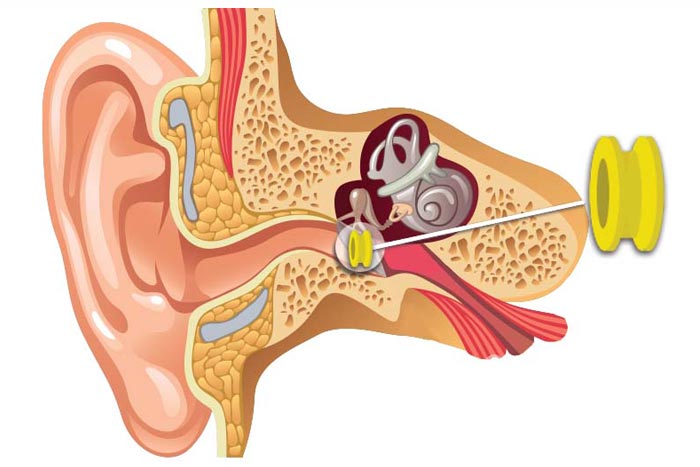
Ear drum repair, also known as tympanoplasty or myringoplasty, is a surgical procedure used to fix a perforated or damaged ear drum (tympanic membrane). The ear drum is a thin layer of tissue that separates the outer ear from the middle ear and plays a vital role in hearing by transmitting sound vibrations. When it becomes torn due to infections, trauma, or chronic ear disease, it can cause hearing loss, recurrent ear infections, and discomfort. Ear drum repair restores the integrity of the ear drum, improves hearing, and prevents repeated infections.
A perforated or damaged ear drum can occur due to several reasons, including:
Chronic ear infections leading to recurrent damage.
Sudden trauma such as inserting objects into the ear canal.
Barotrauma from sudden pressure changes (e.g., air travel, diving).
Severe loud noise exposure or acoustic trauma.
Previous ear surgery or untreated conditions.
The surgical repair involves closing the perforation using the patient’s own tissue (usually a graft taken from behind the ear). The procedure can be performed using two techniques:
Myringoplasty: Repair of small perforations without involving middle ear bones.
Tympanoplasty: Repair of larger perforations and, if required, reconstruction of the tiny middle ear bones (ossicles) to restore sound conduction.
The surgeon makes a small incision near the ear, places the graft over the perforation, and ensures proper positioning to promote healing and restoration of the ear drum’s function.
This procedure is recommended for individuals who:
Have a persistent ear drum perforation that does not heal on its own.
Experience recurrent ear infections due to the open ear drum.
Suffer from hearing loss caused by the perforation.
Wish to safely resume activities like swimming and water exposure without risk of ear damage.
Improved hearing: Restores sound conduction for better hearing ability.
Prevents infections: Reduces the risk of recurrent ear infections.
Safe water exposure: Allows patients to swim or bathe without concerns of ear complications.
Enhanced quality of life: Relieves discomfort, improves communication, and restores confidence.
Long-term results: Provides permanent closure of the perforation with high success rates.
Ear drum repair is typically performed under general or local anesthesia and takes 1–2 hours. Patients usually return home the same day. The ear is protected with dressings to allow proper healing of the graft. Recovery may take a few weeks, during which patients are advised to avoid water entry into the ear and strenuous activities. Regular follow-ups ensure the graft heals properly and hearing improvement is monitored.
Ear drum repair offers a reliable and effective solution for patients suffering from perforated ear drums. With modern surgical techniques, skilled surgeons, and high success rates, this treatment not only restores hearing but also prevents infections and improves overall ear health. For those struggling with chronic ear issues or hearing problems due to perforation, ear drum repair provides long-term relief and a significant improvement in quality of life.
Ear Drum Surgery in Bangalore at Dr Rohit’s Centre For ENT & Cochlear Implant offers advanced treatment for perforated or damaged eardrums. Our experienced ENT specialists ensure precise diagnosis and minimally invasive surgery for effective hearing restoration. Trust Dr Rohit’s Centre For ENT & Cochlear Implants Clinic for safe, affordable, and expert ear drum surgery in Bangalore with excellent recovery outcomes.
Common causes include chronic or untreated ear infections, direct trauma such as inserting objects into the ear, sudden pressure changes from air travel or diving, and loud explosive noises. Some perforations also occur after certain ear surgeries.
Small, recent perforations sometimes heal naturally within a few weeks with proper care and infection control. Larger, chronic, or non-healing perforations typically require tympanoplasty to restore the eardrum and prevent recurrent infections or hearing loss.
Tympanoplasty is a microsurgical procedure that repairs a perforated eardrum using a small graft of the patient's own tissue, usually performed under local or general anesthesia. It restores the eardrum's structure and can improve hearing affected by the perforation.
Tympanoplasty has a high success rate when performed by an experienced ENT surgeon, with most patients experiencing eardrum closure and improved hearing. Success depends on factors like perforation size, ear health, and adherence to post-operative care instructions.
A perforated eardrum can cause temporary hearing loss, ear discharge, pain, or an increased risk of infection, depending on the size of the tear. Small perforations may heal on their own, but persistent or large ones usually need tympanoplasty.
Tympanoplasty is performed under anesthesia, so patients do not feel pain during the procedure. Mild discomfort, pressure, or itching during the healing period is common and is usually managed with the surgeon's guidance.
Most patients recover within four to six weeks, though hearing improvement may continue gradually during this period. Surgeons typically advise avoiding water exposure, nose blowing, and air travel until the eardrum has fully healed.
Many patients regain significant hearing after successful tympanoplasty, especially when the perforation was the main cause of hearing loss. However, the extent of improvement depends on factors such as how long the perforation existed and whether other ear structures were affected.