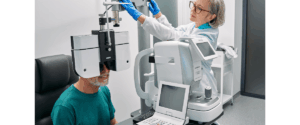

Hearing loss that is sudden, gradual or worsening, sinus symptoms that persist for weeks, throat infections that keep returning, and voice changes lasting more than two to three weeks may all need assessment by an ENT surgeon in Jayanagar. Dr. Rohit Udaya Prasad consults at Dr Rohit’s Centre for ENT & Cochlear Implant, 7th Block, Jayanagar. This guide explains symptoms, tests and treatment options.
What Does an ENT Specialist Treat?
An ENT (ear, nose and throat) specialist, also called an otolaryngologist, assesses conditions of the ears, nose, sinuses, throat, voice box and nearby structures. This includes hearing loss, ear infections, balance problems, nasal blockage, sinus disease, tonsil and throat problems, voice changes and snoring. An ENT specialist in Jayanagar also sees children, whose ear, adenoid and tonsil problems can differ from those of adults.
Many symptoms can be assessed at a routine consultation, such as a blocked nose lasting weeks, repeated sore throats or gradually muffled hearing. Some need prompt or emergency care: sudden hearing loss, difficulty breathing, inability to swallow, heavy nosebleeds or rapidly worsening throat or facial swelling. In those situations, do not wait for a routine appointment. Go to the nearest emergency department.
Hearing Loss and Ear Problems: When Should You Seek Assessment?
Seek assessment when hearing changes persist, worsen, affect one ear more than the other, or come with pain, discharge, ringing or dizziness. Causes range from earwax to middle-ear disease to inner-ear or nerve problems, so treatment depends on the clinical assessment. Not everyone with hearing loss needs surgery or a cochlear implant.
Difficulty hearing conversations
Asking people to repeat themselves, raising the television volume or struggling in noisy places can signal difficulty hearing conversations. These changes are easy to ignore, but a hearing loss assessment can show whether the cause lies in the outer or middle ear (conductive), the inner ear or hearing nerve (sensorineural), or both.
Gradual hearing loss
Hearing often declines slowly with age, noise exposure or long-standing ear conditions, so people adapt without noticing. Gradual loss in one ear, or a clear difference between the two ears, deserves an earlier check.
Sudden hearing loss
Sudden hearing loss, a noticeable drop in hearing over hours or a few days, usually in one ear, needs urgent medical assessment, ideally the same day. Do not wait for it to clear, and do not self-medicate. You can read more about what to do in sudden hearing loss.
Ear pain and ear infections
Ear infections and ear pain are common, particularly in children. See a doctor if pain is severe or recurrent, or if there is discharge, fever, swelling behind the ear or a change in hearing.
Earwax blockage
Earwax is normal, but excess wax can muffle hearing or cause a blocked feeling. Avoid cotton buds, pins or other objects in the ear, and consider professional removal when indicated.
Ringing in the ears (tinnitus)
Ringing in the ears (tinnitus) has many possible causes. Seek assessment if it affects one ear only, is pulsing, began suddenly, or comes with hearing loss or dizziness.
Dizziness and balance difficulties
Spinning or unsteadiness can arise from the inner ear but also from other conditions. Dizziness with weakness, slurred speech, facial drooping or severe headache needs emergency care.
Hearing assessment and audiometry
Hearing tests and audiometry measure the softest sounds you can hear and how clearly you understand speech. The clinic’s hearing assessment page describes the tests it uses, including pure tone audiometry, tympanometry and otoacoustic emissions.
Hearing rehabilitation and cochlear implant evaluation
When hearing loss persists, options may include hearing aids, hearing rehabilitation or, for selected people, cochlear implant evaluation, explained further below.
Sinus and Nasal Problems That May Need ENT Assessment
Nasal and sinus symptoms deserve assessment when they last more than about ten days without improving, keep returning, worsen after initial improvement or interfere with sleep and daily activities. Not every headache is caused by sinus disease, and not every sinus problem needs surgery.
- Persistent nasal congestion may relate to allergy, swollen nasal tissues, polyps or a deviated nasal septum, where the partition between the nostrils sits off-centre.
- Recurrent sneezing, an itchy or runny nose and watery eyes may suggest allergic rhinitis, often triggered by dust, pollen or smoke.
- Sinusitis and facial pressure can cause pain around the cheeks, eyes or forehead, thick nasal discharge and a blocked nose. Sinusitis is considered chronic when it lasts 12 weeks or longer. If you are looking for sinus treatment in Jayanagar, the clinic’s sinusitis treatment page explains its stepwise approach.
- Nasal discharge and a reduced sense of smell are worth assessing, especially if they persist.
- Recurrent nosebleeds are often minor, but see a doctor if they are frequent, heavy or do not settle with steady pressure on the soft part of the nose for about fifteen minutes. Heavy bleeding is an emergency.
Throat Problems, Tonsillitis and Voice Changes
See an ENT specialist if throat or voice symptoms last beyond two to three weeks, keep returning or come with swallowing difficulty.
- Recurrent sore throat can follow viral infections, allergies, post-nasal drip or reflux.
- Tonsillitis and other throat infections often cause fever, painful swallowing and swollen tonsils. Many are viral, so an examination helps decide whether treatment, monitoring or, occasionally, surgery is appropriate.
- Hoarseness and voice changes lasting more than two to three weeks need assessment, especially in smokers or people who rely heavily on their voice. The clinic’s throat and voice problems page describes laryngoscopy and stroboscopy.
- Difficulty swallowing, a lump sensation or ongoing throat discomfort should not be ignored.
- Snoring and sleep-related breathing problems, such as loud snoring, pauses in breathing or daytime sleepiness, may need assessment.
Difficulty breathing, noisy breathing, drooling or being unable to swallow saliva needs urgent emergency care.
When Should You Visit an ENT Surgeon in Jayanagar?
Visit an ENT surgeon when symptoms are persistent, recurrent, unexplained or worsening, or when they affect hearing, breathing, sleep, eating or voice. An ENT surgeon in Jayanagar can assess whether medication, monitoring, further investigations, referral or surgery is appropriate. Consulting a surgeon does not mean an operation is needed.
- Routine consultation: gradual hearing change, a blocked nose lasting weeks, recurring sore throat, ringing in the ears or snoring.
- Urgent assessment, ideally the same day: sudden hearing loss, severe ear pain with discharge or fever, or hoarseness with a neck lump or painful swallowing.
- Emergency care: difficulty breathing, inability to swallow, heavy bleeding or rapidly worsening swelling.
How Are Hearing, Sinus and Throat Conditions Diagnosed?
The choice of tests depends on symptoms, examination findings and clinical judgement. Not every patient needs every test. Possible steps include:
- Medical history and symptom review.
- Ear, nose and throat examination.
- Hearing tests and audiometry.
- Tympanometry, which checks middle-ear function, when indicated.
- Nasal endoscopy, using a thin scope to view the nasal passages, when indicated.
- Throat or voice assessment, which may include laryngoscopy.
- Imaging, such as CT or MRI, or other investigations when clinically necessary.
What Treatments May Be Recommended?
Treatment depends on the diagnosis, symptom severity, medical history and patient needs. General categories include:
- Observation and follow-up when appropriate.
- Clinician-directed medication, with antibiotics only when a bacterial infection is suspected.
- Allergy management.
- Professional earwax removal when indicated.
- Hearing aids and hearing rehabilitation where suitable.
- Further hearing assessment and cochlear implant evaluation for selected patients.
- Management of sinus and nasal conditions.
- Treatment for throat conditions, which may include voice therapy.
- ENT surgery when clinically indicated.
No treatment can promise a cure, guaranteed hearing improvement or a particular surgical result. Please avoid self-medication and unverified home remedies.
How to Choose an ENT Specialist in Jayanagar
People often search for an ENT doctor near me Jayanagar or look for an ENT clinic Jayanagar residents can reach conveniently. Neutral points worth considering:
- Relevant medical qualifications and recognised specialist training.
- Experience relevant to your condition.
- Appropriate diagnostic assessments, or clear referral arrangements.
- Clear explanations of the diagnosis and treatment alternatives.
- Discussion of risks, benefits and limitations.
- Transparent consultation and treatment information.
- Follow-up arrangements.
- Access to additional specialist care when needed.
Cochlear Implant Consultation: Who May Need Further Evaluation?
A cochlear implant is a surgically placed hearing device. A hearing aid makes sound louder for an ear that can still use it. A cochlear implant instead bypasses damaged parts of the inner ear and stimulates the hearing nerve electrically, using an electrode array and an external processor worn behind the ear.
A cochlear implant consultation may be considered for selected children and adults with severe to profound sensorineural hearing loss who gain limited benefit from properly fitted hearing aids. Suitability depends on formal hearing tests, speech understanding, medical assessment and usually imaging. Not everyone with hearing loss is a candidate, and an implant does not restore normal hearing or guarantee a particular result. Rehabilitation is an important part of the process. A related article compares cochlear implants and hearing aids in more detail.
If you search for cochlear implant near me, verify who performs the candidacy assessment, how cochlear implant surgery, device activation and rehabilitation are coordinated, and what follow-up is offered. The clinic’s cochlear implant page lists evaluation, surgery, programming and post-implant rehabilitation.
ENT Consultation for Patients in Jayanagar, Bengaluru
A planned ENT consultation in Jayanagar goes more smoothly when you prepare:
- Note when the symptoms started.
- Record whether they are intermittent, persistent or worsening.
- Bring previous hearing tests, scans, reports or prescriptions.
- Prepare a list of current medicines and relevant medical history.
- Write down questions about possible tests and treatment options.
- Confirm the clinic address and appointment details before travelling.
Dr Rohit’s Centre for ENT & Cochlear Implant is located at 7th Block, Jayanagar, Bengaluru, Karnataka. The Contact page lists the full address, phone number and, at the time of writing, evening consultation hours from Monday to Saturday. Please confirm these before you travel.
ENT Services at Dr Rohit’s Centre for ENT & Cochlear Implant
Dr. Rohit Udaya Prasad is a Consultant ENT and Cochlear Implant Surgeon. According to his profile page, he completed MBBS at M.S. Ramaiah Medical College, Bengaluru, and MS (ENT) at Pt. Jawaharlal Nehru Memorial Medical College, Raipur, followed by advanced cochlear implant surgery training under Prof. Dr. J.M. Hans in New Delhi.
Frequently Asked Questions
1. When should I consult an ENT surgeon in Jayanagar?
Consult an ENT surgeon in Jayanagar when ear, nose or throat symptoms persist, keep returning, worsen or affect daily life, such as ongoing hearing difficulty, a blocked nose lasting weeks, repeated sore throats or voice changes beyond two to three weeks. Sudden hearing loss, breathing difficulty or inability to swallow needs urgent assessment instead.
2. What conditions does an ENT specialist treat?
An ENT specialist treats conditions of the ears, nose, sinuses, throat and voice box, including hearing loss, ear infections, vertigo, sinusitis, allergic rhinitis, tonsillitis, hoarseness and snoring. ENT specialists also assess children and selected head and neck conditions. Treatment may be medical, supportive or surgical, depending on the diagnosis.
3. Where can I find an ENT clinic in Jayanagar?
Dr Rohit’s Centre for ENT & Cochlear Implant is an ENT clinic Jayanagar residents can consider, located at 7th Block, Jayanagar, Bengaluru, Karnataka. When choosing any clinic, check the doctor’s qualifications, available hearing and nasal assessments, how treatment options are explained, and follow-up arrangements. Confirm the address and timings before travelling.
4. What should I do if I experience sudden hearing loss?
Seek medical assessment urgently, preferably the same day, ideally from an ENT specialist. Sudden hearing loss can have causes that need prompt evaluation, so avoid waiting for it to clear, self-medicating or inserting objects into the ear. If it comes with severe dizziness, weakness or facial changes, go to an emergency department.
5. Can sinusitis cause facial pressure and nasal congestion?
Yes. Sinusitis can cause facial pressure or pain, nasal congestion, thick discharge and a reduced sense of smell. However, not every headache or blocked nose is caused by sinus disease. Symptoms lasting more than about ten days, recurring or worsening deserve ENT assessment, which may include nasal examination or endoscopy.
6. When should recurring tonsillitis or a sore throat be assessed?
Consider assessment if sore throats recur frequently, last longer than expected, cause repeated missed work or school, or come with difficulty swallowing, one-sided tonsil swelling or breathing problems. Many throat infections are viral, so an examination helps decide whether treatment, monitoring or, in selected cases, surgery is appropriate.
7. How is hearing loss evaluated by an ENT specialist?
Evaluation usually begins with a symptom history and ear examination, followed by hearing tests such as pure tone audiometry. Tympanometry, speech audiometry or other tests may be added depending on the findings. The results help identify whether the loss is conductive, sensorineural or mixed, which guides the next steps.
8. Who may need a cochlear implant assessment?
Assessment may be considered for children and adults with severe to profound sensorineural hearing loss who gain limited benefit from properly fitted hearing aids. Suitability depends on hearing tests, speech understanding, medical evaluation and often imaging. Not everyone with hearing loss is a candidate, and results cannot be guaranteed.
9. Does every ear, sinus or throat problem require surgery?
No. Many ear, sinus and throat conditions are managed with examination, monitoring, clinician-directed medication, allergy care or therapy. Surgery is considered only when clinically indicated, for example when symptoms persist despite appropriate treatment or a structural problem is found. Your ENT surgeon will explain alternatives, risks and limitations.
10. Where is Dr Rohit’s Centre for ENT & Cochlear Implant located?
Dr Rohit’s Centre for ENT & Cochlear Implant is located at 7th Block, Jayanagar, Bengaluru, Karnataka. The clinic’s Contact page lists the full address, phone number and consultation hours. Please confirm the address and appointment details with the clinic before travelling, as timings and availability can change.
Conclusion
Hearing loss, ongoing sinus symptoms, recurring throat infections and voice changes do not always signal a serious condition, but persistent, recurrent, unexplained or worsening symptoms deserve professional evaluation. An ENT surgeon in Jayanagar can examine you, explain the likely causes, arrange appropriate tests and discuss treatment options, which do not always include surgery.
Dr. Rohit Udaya Prasad consults at Dr Rohit’s Centre for ENT & Cochlear Implant, 7th Block, Jayanagar, Bengaluru, Karnataka. If you have persistent or concerning symptoms, you can enquire about a suitable appointment by calling +91 9900206167 or through the clinic’s Contact page. Please verify the address and appointment details before travelling. For sudden hearing loss, breathing difficulty, inability to swallow or heavy bleeding, seek immediate medical assessment instead of waiting for a routine appointment.